 ⌖Hotels
I’ll admit it — I used to assume luxury meant a recognizable five-star chain name and a price tag to match. Then I stayed at a 12-room boutique property in a converted townhouse, and the personal attention alone…
I’ll admit it — I used to assume luxury meant a recognizable five-star chain name and a price tag to match. Then I stayed at a 12-room boutique property in a converted townhouse, and the personal attention alone outclassed most big-brand stays I’d had before.
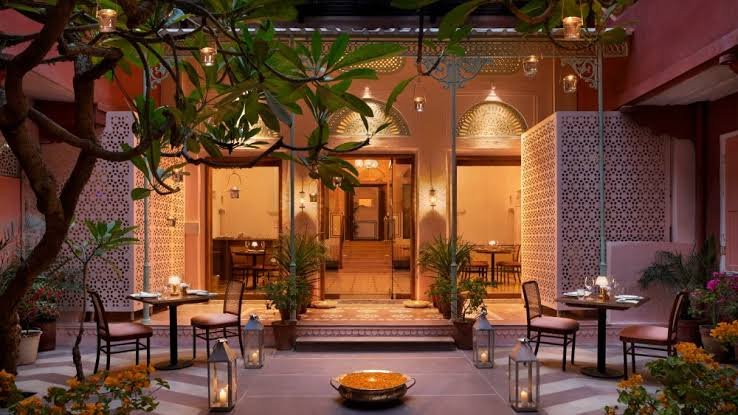
Boutique hotels often deliver a more memorable, personal experience for less money than their large-chain counterparts, mainly because you’re not subsidizing a massive lobby, convention space, or corporate overhead.
What Actually Makes a Hotel “Boutique”
Direct answer: A boutique hotel typically has under 100 rooms, distinctive interior design reflecting local character or a specific theme, and a more personal, less corporate style of service compared to large international chains.
It’s not officially regulated — anyone can call a property “boutique” — so it’s worth checking a few signals before booking.
Signs of a Genuinely Good Boutique Hotel
- Design that feels intentional, not generic — local art, unique furniture, thoughtful details
- Staff who remember your name by day two (this happens more often than you’d think at smaller properties)
- Locally-inspired food and drink options rather than a standard international menu
- Recent reviews mentioning specific staff members by name — a strong signal of consistent, personal service
Where to Find Great Boutique Hotels
Independent booking platforms specializing in boutique and design hotels often surface better options than mainstream search engines, which tend to prioritize big chains with larger advertising budgets. It’s worth spending an extra fifteen minutes browsing a dedicated boutique hotel platform before settling on the first result you see.
Budgeting for Boutique Stays
Quick answer: Boutique hotels in second-tier cities or off-peak destinations often cost less than mid-range chain hotels in the same area, while boutique properties in major capitals or peak season can command premium prices closer to luxury chains.
Location within a city matters a lot here too — a boutique hotel two neighborhoods away from the main tourist district usually costs significantly less while offering an arguably better local experience.
Boutique vs. Chain: What You’re Actually Paying For
- Chains offer consistency — you generally know what you’re getting
- Boutiques offer character — every stay feels different, sometimes for better, occasionally for worse
- Chains have larger loyalty programs and points systems
- Boutiques often include small touches (welcome drinks, personalized recommendations) that chains reserve for top-tier suites
Which matters more to you — predictability or personality? Honestly, my answer changes depending on the trip.
A Few Booking Tips
Read the most recent reviews carefully, since boutique properties can change quickly with new management or ownership. Also, don’t hesitate to email the property directly with questions — a quick, thoughtful response is usually a good sign of the service you’ll receive during your stay.
[link to related guide about pet-friendly hotels here]
FAQ
Are boutique hotels more expensive than regular hotels? Not necessarily — pricing depends heavily on location and season, and boutique properties in smaller cities are often comparable to or cheaper than mid-range chains.
What’s the difference between boutique and design hotels? The terms overlap significantly; “design hotels” typically emphasize architecture and visual style, while “boutique” more broadly refers to small, independently-run properties with a distinct character.
Do boutique hotels have the same amenities as chain hotels? Amenities vary widely by property — some boutique hotels offer spas and pools, others focus purely on room design and service, so it’s worth checking specific amenities before booking.
Are boutique hotels good for business travel? They can be, especially for travelers who value quiet, personalized service over conference facilities and large-scale business centers.
How do I know if a boutique hotel is reputable? Check recent reviews (within the last 3-6 months), look at actual guest photos rather than only professional shots, and verify the property has consistent ownership or management.
Booking boutique hotels is one of the easiest ways to upgrade the feel of a trip without necessarily upgrading the price. Look past the big recognizable names next time you’re booking, and you might just find your new favorite kind of stay.
Keep the route flexible enough to respond to the place.
Verify current local details before booking, leave room for timing changes, and use this guide as a framework rather than a rigid schedule.

Admin
Editorial travel research focused on practical routes, local context and confident decisions.
 Flights
 Hotels
 Hotels