 ⌖Travel News
I once had a trip nearly derailed because a visa policy I’d checked six months earlier had quietly changed by the time I actually booked flights. Since then, I’ve made it a habit to recheck entry requirements right…
I once had a trip nearly derailed because a visa policy I’d checked six months earlier had quietly changed by the time I actually booked flights. Since then, I’ve made it a habit to recheck entry requirements right before finalizing any international trip, not just when I first start planning.
Staying current on visa rules 2026 isn’t just about avoiding denial at the border — it’s about avoiding unnecessary stress and last-minute scrambling before a trip.
The General Shift Toward E-Visas
Direct answer: More countries continue transitioning from traditional embassy-based visa applications to online e-visa systems, which generally reduce processing time to a few days but still require applying well before departure to account for potential delays or additional document requests.
This shift has made travel logistics noticeably smoother for many destinations, though it’s not universal — some countries still require in-person embassy visits for certain visa categories.
Regions With Notable Visa Policy Changes
- Southeast Asia: Several countries have extended visa-free stay durations for various passport holders, though specifics vary significantly by nationality
- Europe: The ongoing rollout of digital entry authorization systems for visa-exempt travelers continues to expand across the Schengen area
- Middle East: A growing number of Gulf countries now offer streamlined e-visa or visa-on-arrival options for tourism purposes
- Africa: Several countries have introduced simplified e-visa platforms, reducing what were previously lengthy embassy processes
What Indian Passport Holders Should Watch For
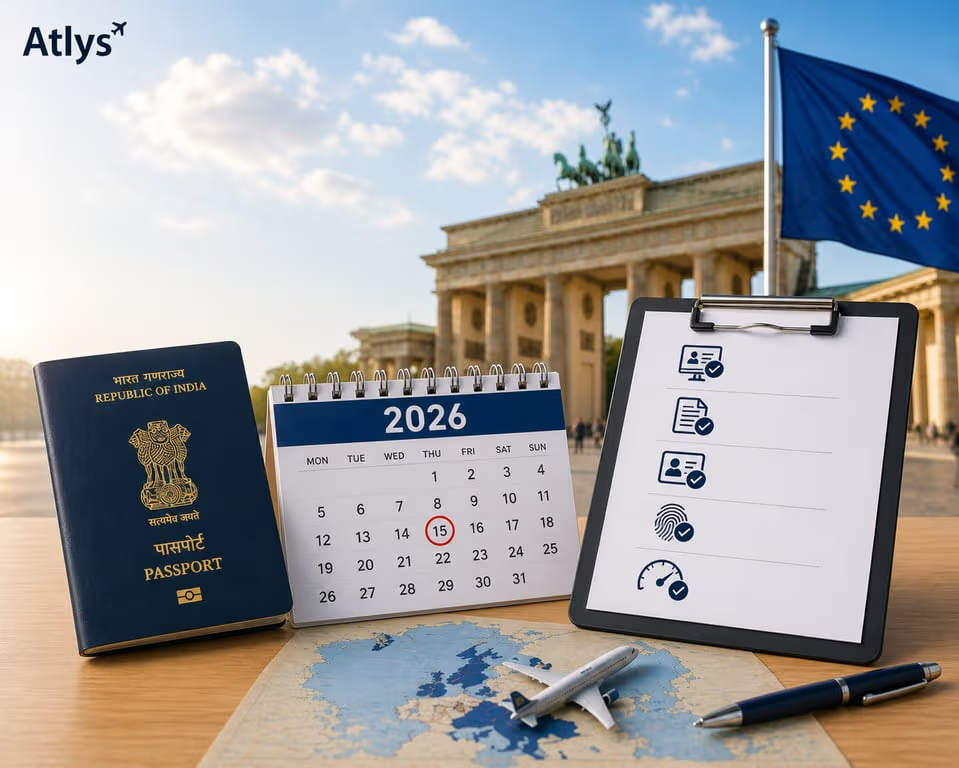
Quick answer: Indian passport holders should verify visa requirements individually for each destination country, since eligibility for e-visas, visa-on-arrival, or visa-free entry varies considerably and changes periodically based on bilateral agreements.
Always check the official government or embassy website directly rather than relying solely on third-party visa agencies, which occasionally display outdated information.
How to Stay Updated on Visa Changes
- Check the destination country’s official immigration website 4-6 weeks before departure
- Sign up for airline or travel agency alerts covering entry requirement updates for your route
- Confirm passport validity requirements — many countries require at least six months validity beyond your travel dates
- Double-check requirements again 48-72 hours before departure for any last-minute changes
Common Visa Application Mistakes to Avoid
- Applying too close to departure, leaving no buffer for processing delays
- Submitting photos that don’t meet exact specification requirements
- Assuming visa-free transit rules apply to layovers of any length
- Not checking if a return or onward ticket is required for visa approval
The Rise of Digital Nomad Visas
A growing number of countries have introduced dedicated digital nomad visa categories over the past few years, allowing remote workers to stay for extended periods beyond typical tourist visa limits. Requirements typically include proof of remote income and health insurance coverage.
[link to related guide about budget-friendly destinations here]
FAQ
How do I check current visa requirements for my destination? Always check the destination country’s official government immigration or embassy website directly, since this is the most reliable and current source.
Are e-visas as reliable as traditional embassy visas? Yes, e-visas are officially recognized entry documents when issued through legitimate government channels — just ensure you’re applying through the official platform, not a third-party site charging inflated fees.
How far in advance should I apply for a visa? Generally 4-6 weeks before departure is a safe window, though some countries process e-visas within days — always build in a buffer for potential delays.
Do visa-free countries still require any paperwork? Often yes — many visa-free arrangements still require online entry authorization or registration, so “visa-free” doesn’t always mean no paperwork at all.
What happens if visa rules change after I’ve already booked my trip? Monitor the destination’s official immigration updates periodically before departure, and reapply or adjust your documentation if requirements change before your travel date.
Visa rules shift often enough that last year’s information can’t always be trusted at face value. Stay current on visa rules 2026 by checking official sources close to your travel dates, and you’ll avoid the kind of last-minute stress that can genuinely derail a trip.
Keep the route flexible enough to respond to the place.
Verify current local details before booking, leave room for timing changes, and use this guide as a framework rather than a rigid schedule.

Admin
Editorial travel research focused on practical routes, local context and confident decisions.
 Travel News
 Flights
 Travel News