 ⌖Travel News
There’s a certain kind of freedom that comes from spending a day outside with nowhere urgent to be. No traffic to fight, no meetings waiting in the background, no reason to keep checking the time. Just fresh air,…
There’s a certain kind of freedom that comes from spending a day outside with nowhere urgent to be. No traffic to fight, no meetings waiting in the background, no reason to keep checking the time. Just fresh air, open water and the occasional decision about whether you should keep exploring or sit down for a while.
That’s one reason outdoor recreation has become such a popular way to spend weekends and holidays. It doesn’t always mean extreme sports or exhausting adventures. Sometimes it’s a gentle paddle across a quiet lake, a walk along the shore, or an afternoon enjoying the scenery with friends. The best outdoor experiences usually leave you feeling refreshed rather than completely worn out.
Start With the Experience You Actually Want
Before planning a water-based adventure, think about what sounds enjoyable to you. It seems obvious, but it can save a lot of hassle.
Some people want excitement and movement. Others would rather float around for an hour and enjoy the view. There’s no right answer. If you’re traveling with family, you may want an activity that works for different ages and fitness levels. If you’re going alone, perhaps a peaceful route matters more than anything else.
The location also makes a difference. Calm lakes are often better for beginners, while rivers and coastal waters may offer more challenging conditions. Always check local guidance before getting on the water.
Why Paddle Boarding Has Become So Popular
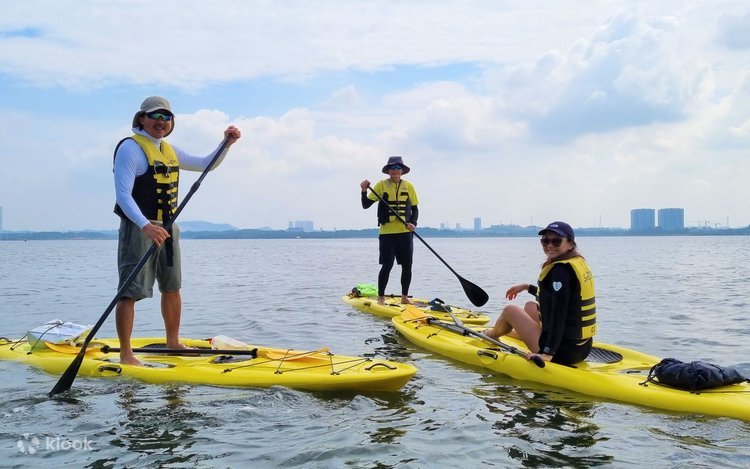
Stand-up paddle boarding looks simple from the shoreline, and in many ways it is. But staying balanced on the board takes a little practice.
Modern paddle boards come in different shapes and sizes, with inflatable models becoming especially popular because they’re easier to transport and store. Beginners should choose a stable board rather than immediately looking for the fastest or lightest option.
Start in shallow, calm water where possible. Kneel on the board before standing, keep your movements controlled and don’t worry if you fall in. Almost everyone does at some point. That’s part of learning.
A personal flotation device is also a sensible choice, even when the water looks calm. Conditions can change quickly, and safety equipment is much easier to appreciate before you need it.
Kayaking Offers a Different Kind of Adventure
If paddle boarding feels a little too exposed, kayaking may be more comfortable. Sitting lower in the water gives you a different perspective, and a kayak can feel surprisingly steady once you get used to it.
Kayaking is also a great way to explore areas that aren’t easily accessible on foot. You can quietly move along a shoreline, explore small coves or simply paddle across open water.
For first-time kayakers, shorter trips are usually best. Learn how to hold and use the paddle properly before heading too far from shore. If you’re unfamiliar with the area, consider going with an experienced guide or group. It’s more enjoyable when you aren’t constantly wondering which direction you’re supposed to be going.
Pick the Right Conditions
Weather can turn a pleasant water adventure into an uncomfortable one pretty quickly.
Before heading out, check the forecast and pay attention to wind conditions. Strong winds can make paddling significantly harder, particularly for beginners. Sudden storms are another obvious concern, so don’t ignore warnings simply because the sky looks clear when you arrive.
Water temperature matters too. Even on warm days, cold water can be dangerous if someone falls in. Dress appropriately and consider wearing clothing designed for water activities rather than ordinary cotton.
It’s better to postpone a trip than spend the afternoon fighting conditions you weren’t prepared for.
Keep Your Gear Simple
You don’t need a garage full of expensive equipment to enjoy a day on the water.
For most casual trips, the basics include a suitable craft or board, paddle, flotation device, water, sunscreen and weather-appropriate clothing. A waterproof bag is useful for keeping your phone, keys and other small valuables dry.
Bring snacks, too. Outdoor activities have a funny way of making people hungry much faster than expected.
If you’re renting equipment, ask staff about the gear before leaving the dock. Make sure everything fits properly and that you understand how to use it. A five-minute conversation can prevent a lot of confusion later.
Respect the Water and the Wildlife
Beautiful outdoor areas aren’t just recreation spaces. They’re living environments.
Avoid disturbing birds, fish and other wildlife. Don’t leave food or rubbish behind, and stay on designated paths or routes when they’re provided. If you’re paddling near nesting areas, give animals plenty of distance.
Quiet activities such as kayaking and paddle boarding can actually help you notice wildlife you might otherwise miss. You may see birds feeding near the shoreline or fish moving beneath the surface. Resist the temptation to get too close just for a photograph.
The goal is to enjoy nature without becoming part of the problem.
Make Room for Slow Moments
Not every part of the day needs to be active.
After a couple of hours on the water, find a comfortable place to sit. Have something cold to drink. Talk with whoever you’re traveling with. Or don’t talk at all. Sometimes silence is exactly what you needed.
This is especially important when planning a family trip. Children don’t necessarily need an activity every minute. Give them space to explore, play and simply be curious.
And if you’re traveling alone, don’t feel guilty about doing very little. A quiet afternoon beside the water can be a perfectly good use of time.
Leave With Good Memories, Not Just Photos
The nicest outdoor trips usually aren’t remembered because everything went perfectly. They’re remembered because something felt real.
Maybe you lost your balance and ended up laughing in the water. Maybe you found a quiet section of shoreline nobody else seemed to notice. Maybe you spent an hour paddling while the sun slowly moved across the sky.
Those moments don’t need to be spectacular.
The real value of outdoor water activities is often much simpler. They get you away from screens, encourage movement and give your mind something different to focus on. You return home with tired arms, fresh air in your lungs and, hopefully, a little less noise in your head.
That’s a pretty good reason to get outside again next weekend.
Keep the route flexible enough to respond to the place.
Verify current local details before booking, leave room for timing changes, and use this guide as a framework rather than a rigid schedule.

Admin
Editorial travel research focused on practical routes, local context and confident decisions.
 Travel News
 Flights
 Travel News