 ⌖Adventure
There’s something about descending below the surface that completely resets your sense of a place. I remember surfacing from my first proper reef dive and genuinely struggling to describe what I’d just seen to people who’d spent the…
There’s something about descending below the surface that completely resets your sense of a place. I remember surfacing from my first proper reef dive and genuinely struggling to describe what I’d just seen to people who’d spent the day on the beach instead.
These best scuba diving spots are picked specifically for divers chasing something beyond a casual reef tour — real thrills, real marine encounters.
1. Blue Hole, Belize
A massive underwater sinkhole nearly 300 meters wide and over 124 meters deep. Advanced divers can explore ancient stalactite formations at depth, a genuinely unique geological feature.
2. SS Thistlegorm, Egypt
A WWII shipwreck in the Red Sea, remarkably well-preserved with motorcycles, trucks, and cargo still visible inside the hull. One of the most famous wreck dives in the world for good reason.
Quick answer: The SS Thistlegorm sank in 1941 and lies at a depth of about 30 meters in Egypt’s Red Sea, making it accessible to intermediate divers with wreck diving certification.
3. Tiger Beach, Bahamas
Genuinely close encounters with tiger sharks in open water, guided by experienced operators. Not for anxious divers, but unforgettable for those chasing an adrenaline-heavy marine experience.
4. Sipadan Island, Malaysia
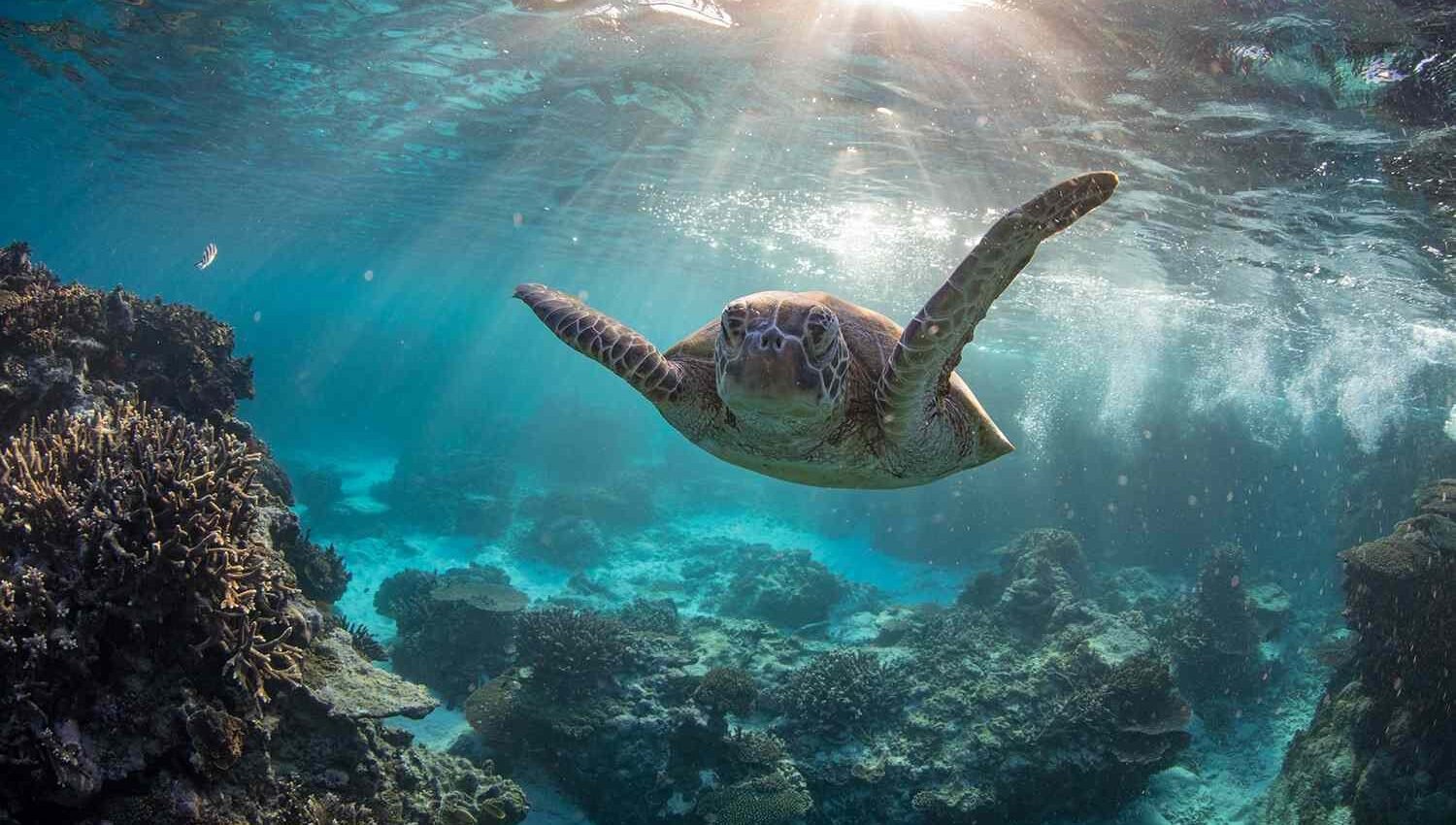
Famous for massive schools of barracuda forming tornado-like structures, plus regular turtle and reef shark sightings. Access is limited by permit, which keeps the site relatively uncrowded.
5. Cenotes, Mexico
Freshwater sinkholes with crystal-clear visibility, cave systems, and dramatic light beams filtering through cave openings. Cave diving certification opens up even more advanced routes.
6. Silfra Fissure, Iceland
Diving between two tectonic plates in near-freezing, incredibly clear glacial water. Not a marine-life dive, but the geological novelty alone makes it worth the drysuit training required.
7. Raja Ampat, Indonesia
Widely considered one of the most biodiverse marine regions on the planet, with reef health that’s noticeably better than in more heavily-touristed diving destinations.
Certification Levels You’ll Need
Direct answer: Most beginner reef dives only require Open Water certification, but advanced sites like the Blue Hole, cenote cave systems, or deep wrecks typically require Advanced Open Water or specialty certifications like wreck or cave diving.
- Open Water: standard reef and shallow wreck diving
- Advanced Open Water: deeper dives, night diving, navigation
- Specialty certifications: wreck, cave, deep diving for the most advanced sites
Safety Considerations for Thrill-Seeking Dives
Shark dives, deep wrecks, and cave systems all carry higher risk than standard reef dives. Always dive with certified, reputable operators, verify your own certification level matches the site’s requirements, and never push past your comfort zone just to keep up with a group.
[link to related guide about adventure sports destinations here]
FAQ
Do I need advanced certification for shark diving? Requirements vary by operator, but many shark dive sites require at least Advanced Open Water certification along with a demonstrated comfort level in open water.
What’s the best time of year to dive the Blue Hole in Belize? April through June generally offers the clearest visibility and calmest conditions for diving the Blue Hole.
Is cave diving dangerous for beginners? Yes, cave diving carries significant risk without proper specialty certification and should never be attempted without specific cave diving training.
Which diving destination is best for underwater photography? Raja Ampat and Sipadan Island are particularly popular among underwater photographers due to exceptional biodiversity and visibility.
How much does a guided shark dive typically cost? Prices vary by location and operator, generally ranging from $150-400 for a guided shark diving experience depending on the destination and dive duration.
Scuba diving opens up an entirely different side of travel, and these best scuba diving spots deliver the kind of underwater experiences that genuinely stay with you long after the trip ends. Get certified appropriately, dive with reputable operators, and go find out what’s below the surface.
Keep the route flexible enough to respond to the place.
Verify current local details before booking, leave room for timing changes, and use this guide as a framework rather than a rigid schedule.

Admin
Editorial travel research focused on practical routes, local context and confident decisions.
 Adventure
 Adventure