 ⌖Adventure
I made the mistake of choosing an ambitious multi-day trek for my first real trekking experience, mostly out of overconfidence from a few day hikes back home. I finished it, but barely, and honestly, I would have enjoyed…
I made the mistake of choosing an ambitious multi-day trek for my first real trekking experience, mostly out of overconfidence from a few day hikes back home. I finished it, but barely, and honestly, I would have enjoyed it a lot more starting smaller.
This trekking guide for beginners is meant to set you up for a first experience that’s genuinely enjoyable, not just survivable.
How to Choose Your First Trek
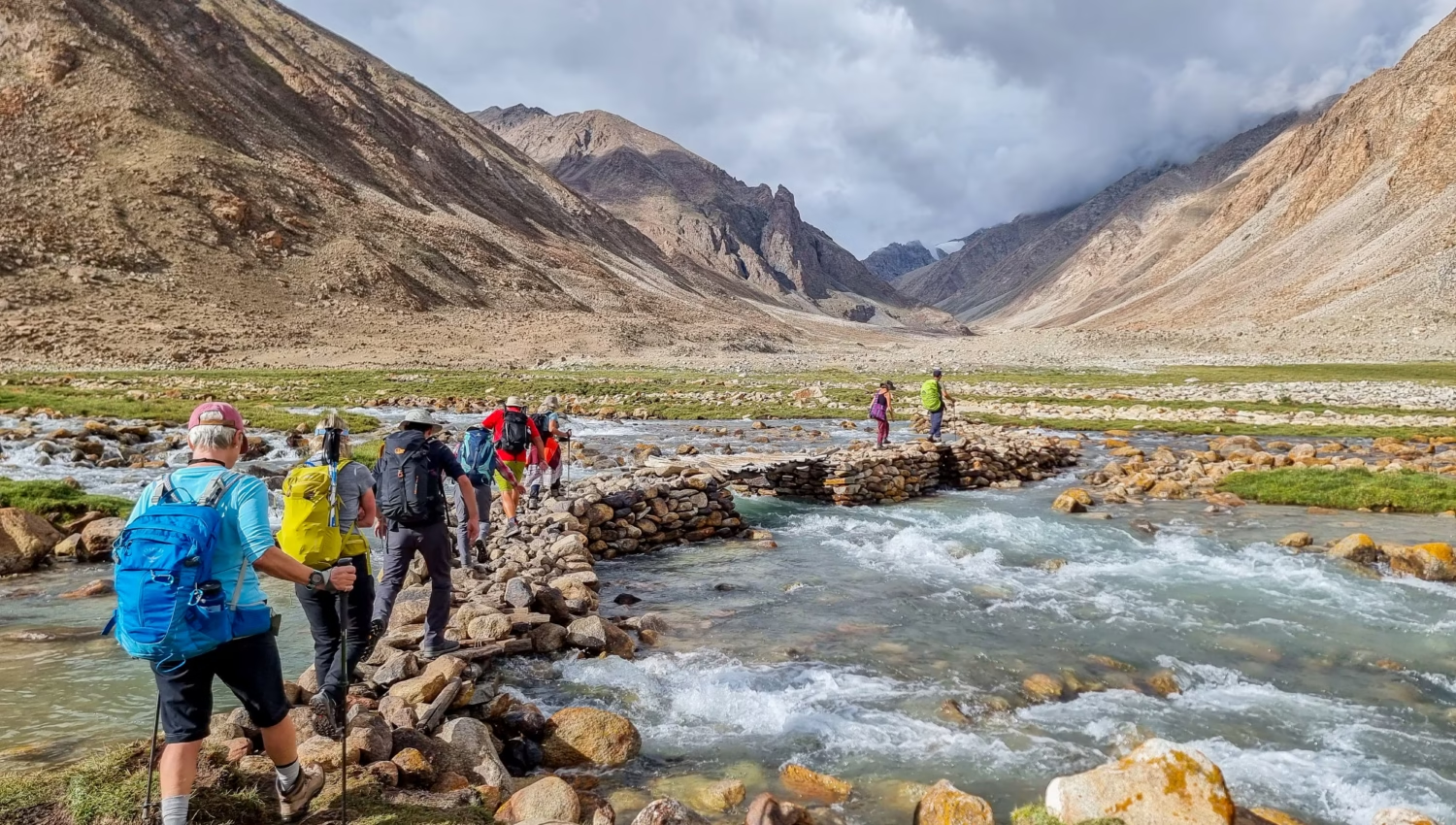
Direct answer: For a first trek, choose a route with well-marked trails, established accommodation or campsites along the way, and moderate elevation gain under 500 meters per day — this builds confidence without overwhelming your body.
Multi-day treks with teahouse or lodge accommodation (common in places like Nepal) are considerably easier for beginners than fully self-supported camping treks.
Best Beginner-Friendly Trails Worldwide
- Poon Hill Trek, Nepal — Short, well-supported, stunning mountain views without extreme altitude
- Inca Trail, Peru — Requires a permit and guide, but the trail itself is well-maintained and clearly marked
- Tour du Mont Blanc (partial), Europe — Can be done in shorter segments with hut accommodation
- Milford Track, New Zealand — Well-marked, moderate difficulty, spectacular scenery
- Valley of Flowers, India — Moderate elevation, gorgeous alpine meadows, manageable in about 4-6 days
Fitness Preparation Before You Go
You don’t need to be an elite athlete, but some preparation genuinely matters. Start building cardiovascular endurance and leg strength 6-8 weeks before departure — regular hiking with a loaded pack, stair climbing, and general cardio all help.
Quick answer: For a moderate beginner trek, aim to comfortably walk 10-15km with some elevation gain before your trip — this baseline fitness level significantly reduces the risk of injury or exhaustion on the actual trek.
Essential Trekking Gear
- Broken-in hiking boots (never wear brand new boots on a trek — blisters guaranteed)
- Moisture-wicking layers, not cotton
- A properly fitted daypack or backpack, depending on trip length
- Trekking poles — genuinely underrated for knee protection on descents
- A basic first-aid kit including blister treatment
Understanding Altitude and Acclimatization
For treks above 2,500-3,000 meters, altitude becomes a real factor. Build in acclimatization days, ascend gradually, and know the symptoms of altitude sickness — headache, nausea, dizziness. Descending is always the right call if symptoms worsen.
What a Typical Trekking Day Looks Like
Most guided multi-day treks follow a similar rhythm: early start, 4-6 hours of walking with breaks, arrival at accommodation by mid-afternoon, rest, dinner, early sleep. It sounds repetitive written out, but the changing scenery keeps every day feeling different.
Hiring a Guide vs. Going Independent
For beginners, a local guide is genuinely worth the cost — beyond safety, guides typically know the terrain, weather patterns, and cultural context far better than any guidebook could offer.
[link to related guide about adventure sports destinations here]
FAQ
How do I know if a trek is suitable for beginners? Look for trails described as “easy to moderate,” with established accommodation along the route and elevation gain under 500m per day.
What’s the biggest mistake beginners make on their first trek? Underestimating the importance of broken-in footwear — new boots on a multi-day trek almost guarantees painful blisters.
Do I need a guide for a beginner trek? It’s not always mandatory, but strongly recommended for first-timers, particularly for treks involving altitude or remote terrain.
How much fitness training do I need before a beginner trek? 6-8 weeks of regular cardio and leg-strengthening exercise, building up to comfortably walking 10-15km, is generally sufficient preparation.
What altitude is considered risky for beginners? Altitude sickness risk increases noticeably above 2,500-3,000 meters, so beginners should choose lower-altitude treks or build in extra acclimatization days for higher routes.
Your first trek should build confidence, not exhaust it entirely. Follow this trekking guide for beginners to choose the right trail and prepare properly, and you’ll likely find yourself planning the next one before you’ve even finished unpacking.
Keep the route flexible enough to respond to the place.
Verify current local details before booking, leave room for timing changes, and use this guide as a framework rather than a rigid schedule.

Admin
Editorial travel research focused on practical routes, local context and confident decisions.
 Adventure
 Adventure