 ⌖Travel Tips
I used to be a chronic overpacker. Extra shoes “just in case,” a jacket for weather that never happened, a book I never opened. It took a genuinely miserable trip dragging a 23kg suitcase up four flights of…
I used to be a chronic overpacker. Extra shoes “just in case,” a jacket for weather that never happened, a book I never opened. It took a genuinely miserable trip dragging a 23kg suitcase up four flights of stairs in Rome to finally change my habits.
These packing tips for travel aren’t theoretical — they’re the ones that actually stuck after years of getting it wrong first.
Start With a Capsule Wardrobe
Direct answer: A capsule wardrobe for travel means choosing 5-7 clothing pieces that all mix and match with each other, allowing you to create 15-20 outfit combinations from a small number of items — this alone eliminates most overpacking.
Stick to a limited color palette (two or three colors that work together) so everything pairs with everything else.
The Roll, Don’t Fold, Method
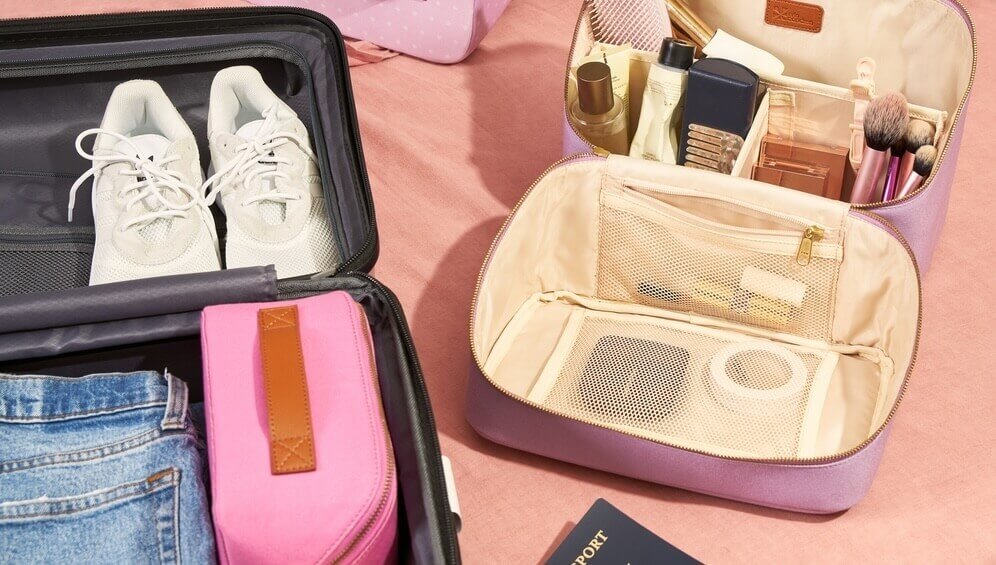
Rolling clothes instead of folding genuinely does save space, and it reduces deep creasing too. Packing cubes take this further — they compress items and keep your bag organized so you’re not unpacking the entire thing to find one t-shirt.
What to Actually Leave at Home
- “Just in case” items — if you haven’t specifically planned to use it, it’s dead weight
- More than one pair of jeans (they’re bulky and slow to dry if you need to wash them)
- Full-size toiletries when travel-size or solid alternatives exist
- A separate outfit for “going out” unless you know for certain you’ll need it
Smart Toiletries Strategy
Quick answer: Solid toiletries — shampoo bars, solid perfume, bar soap — save significant weight and space compared to liquids, and they eliminate the risk of a bottle leaking across your entire bag mid-flight.
Decant what you genuinely need into small reusable containers rather than carrying full bottles for a short trip.
Packing for Different Climates in One Trip
Layering is the answer here, not separate outfits for each climate. A base layer, a mid layer, and one weatherproof outer layer covers a surprising range of conditions when combined in different ways.
Documents and Essentials Checklist
- Passport, visa documents, printed and digital copies
- Travel insurance details, easily accessible
- A basic first-aid kit — plasters, pain relief, motion sickness tablets
- One universal adapter, not a separate one per country
Weighing Your Bag Before You Leave
A cheap luggage scale pays for itself the first time it saves you an overweight baggage fee at check-in. Weigh your bag the night before, not the morning of, so there’s time to actually adjust if needed.
Has a heavy bag ever ruined the first hour of a trip for you? It happens to almost everyone at least once.
[link to related guide about backpacking guide here]
FAQ
How many outfits do I really need for a 2-week trip? Roughly 5-7 mix-and-match pieces, combined with laundry access partway through, comfortably covers a two-week trip without overpacking.
Is it better to roll or fold clothes when packing? Rolling generally saves more space and reduces creasing, though folding works better for structured items like blazers or dress shirts.
What packing tips work best for carry-on-only travel? Stick to a strict capsule wardrobe, use packing cubes to maximize space, and choose toiletries under the liquid restriction limits or solid alternatives entirely.
Should I pack shoes for every activity? No — two versatile pairs (one comfortable walking shoe, one slightly dressier option) usually cover most travel scenarios.
How do I avoid overweight baggage fees? Weigh your bag before leaving home using a luggage scale, and keep a small buffer under the airline’s limit to account for items picked up during the trip.
Packing light isn’t about deprivation — it’s about being intentional with what actually earns a spot in your bag. Try these packing tips for travel on your next trip, and you’ll likely find you needed far less than you thought.
Keep the route flexible enough to respond to the place.
Verify current local details before booking, leave room for timing changes, and use this guide as a framework rather than a rigid schedule.

Admin
Editorial travel research focused on practical routes, local context and confident decisions.
 Travel Tips
 Travel Tips