 ⌖Travel Guides
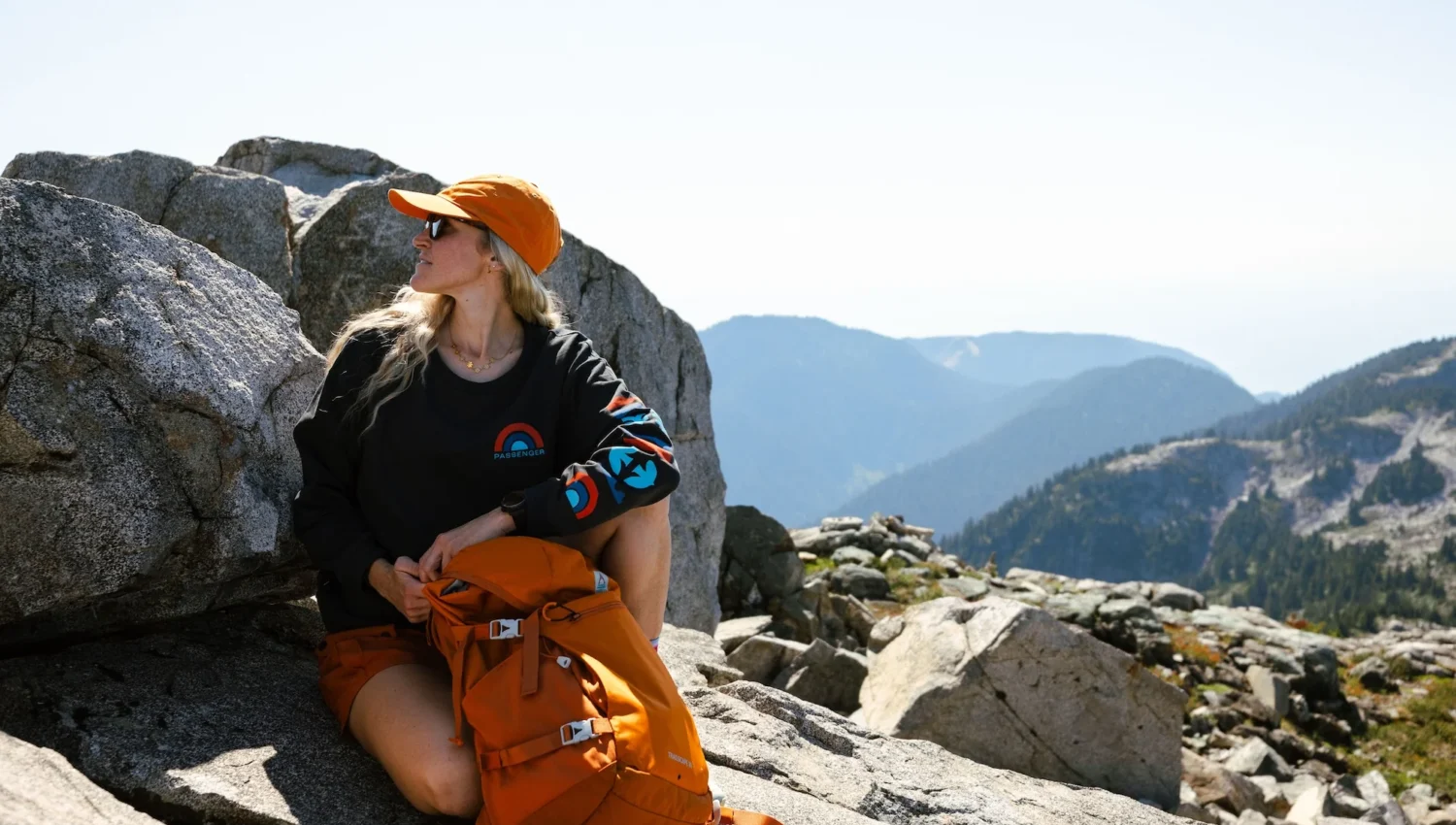
I still remember my first solo backpacking trip. I packed a jacket for “just in case” weather that never happened, forgot a padlock for my hostel locker, and ran out of cash on day three because I hadn’t…
I still remember my first solo backpacking trip. I packed a jacket for “just in case” weather that never happened, forgot a padlock for my hostel locker, and ran out of cash on day three because I hadn’t checked which cities actually had working ATMs. None of it ruined the trip. It just meant I learned fast.
This backpacking guide is what I wish someone had handed me before that trip — practical, a little blunt, and built around the mistakes almost every first-timer makes in 2026.
Choosing Your First Destination
Southeast Asia remains the classic starting point for a reason: cheap, well-connected, and forgiving for beginners. Vietnam, Thailand, and Cambodia all have solid backpacker infrastructure — hostels that know exactly what solo travelers need, buses that run on predictable (if loose) schedules.
Quick answer: For a first backpacking trip, choose a region with established hostel networks and easy visa access — Southeast Asia and parts of South America consistently rank as the most beginner-friendly.
What to Actually Pack
Skip the 40-liter “just in case” packing list you find on Pinterest. Here’s what actually earns its space in the bag:
- One 40-45L backpack (not a suitcase, not a giant 70L monster you’ll regret)
- Quick-dry clothing — three to four outfits, max
- A padlock, a power bank, and a basic first-aid kit
- Copies of your passport, both physical and digital
Everything else, you can buy on the road for cheaper than you’d pay at home.
Setting a Realistic Budget
This is where most first-timers get it wrong — either overestimating and staying home, or underestimating and running short mid-trip.
Direct answer: A comfortable backpacking budget in Southeast Asia runs about $25-40 per day, covering hostel dorms, street food, and local transport, with some flexibility for the occasional splurge.
Build in a 15-20% buffer for the unexpected. There will always be an unexpected.
Booking Accommodation the Smart Way
Don’t book your entire trip in advance. Book the first two or three nights, then decide as you go. Plans change constantly on the road — you’ll meet people heading somewhere you hadn’t planned, or fall in love with a town you meant to skip through in a day.
Staying Safe as a Backpacker
- Keep valuables split across your bag, not all in one pocket
- Share your rough itinerary with someone back home
- Trust hostel staff for local safety advice — they know the area better than any guidebook
- Avoid overnight buses through unfamiliar mountain routes if you can help it; daytime travel is safer and you actually see the scenery
Meeting People on the Road
Solo doesn’t mean alone. Hostels with common areas or free walking tours are the easiest way to find travel companions for a few days. I’ve met people at a hostel breakfast table who I still message years later.
Common First-Timer Mistakes
- Overpacking (almost everyone does this once)
- Booking flights that require overnight airport layovers to save $30
- Not learning even five basic phrases in the local language
- Skipping travel insurance to save money — genuinely not worth the risk
[link to related guide about budget-friendly destinations here]
FAQ
How much money do I need to start backpacking? For a month in Southeast Asia, budget roughly $800-1,200 excluding international flights, depending on your comfort level.
Is backpacking safe for solo travelers? Generally yes, especially in established backpacker regions, provided you take standard safety precautions.
What’s the best backpack size for beginners? A 40-45 liter pack is the sweet spot — big enough for essentials, small enough that you won’t overpack.
Do I need travel insurance for backpacking? Yes, always. Medical emergencies abroad can cost far more than the insurance premium itself.
How long should my first backpacking trip be? Two to three weeks is a good starting point — long enough to settle into the rhythm, short enough to not overcommit before you know if you enjoy it.
Your first backpacking trip won’t look like the polished version you see online, and honestly, that’s part of the fun. Follow this backpacking guide as a starting framework, then adjust it based on what you actually learn out there. Pack light, budget honestly, and go.
Keep the route flexible enough to respond to the place.
Verify current local details before booking, leave room for timing changes, and use this guide as a framework rather than a rigid schedule.

Admin
Editorial travel research focused on practical routes, local context and confident decisions.
 Travel Guides
 Travel Guides
 Travel Guides